
Understanding the C-Section Shelf and Pelvic Floor Therapy in Hamilton, MA

Updated: Jun 14
For many new mothers, the joy of welcoming a baby is sometimes shadowed by a persistent physical reminder of their delivery: the shelf. This distinctive pouch of tissue above a C-section scar can be a source of frustration, affecting body image, comfort, and how clothing fits. It is a topic many women feel hesitant to discuss, but it is a very real physical result of surgery that deserves expert attention.
At Rooted Pelvic Health & Wellness in Hamilton, MA, specialized pelvic floor therapy addresses the C-section shelf comprehensively, helping you regain confidence and comfort in your body.
What Is a C-Section Shelf?
The C-section shelf, sometimes called a pooch or overhang, is the appearance of a roll of skin and tissue sitting directly above the incision line. It is not simply a matter of body fat, though changes in weight can make it more noticeable. It is a complex result of scar tissue formation, altered fascial layers, and changes in muscle tone.
This area can feel numb, tight, or hypersensitive to the touch. Many women find that the shelf resists traditional exercise, leading to significant frustration. It is not a cosmetic failure — it is a clinical sign that the tissues beneath the surface need specialized care to heal and move properly again.
Why the C-Section Shelf Forms
Several physiological factors contribute to shelf formation after a cesarean birth.
Adhesions: Internal scar tissue bands can form between tissue layers that normally glide smoothly. These adhesions tether the skin and superficial fascia to deeper muscle or organ structures, creating a downward pull at the scar line and causing the tissue above it to bulge outward.
Postural Changes: Pain or a feeling of vulnerability at the incision site can lead to pelvic tilting or a rounded back, altering how the abdominal wall supports internal organs.
Core Weakness: A C-section is major abdominal surgery that affects the deep transverse abdominis and pelvic floor muscles. When these muscles are weak or disconnected, they cannot provide the necessary support to the abdominal wall.
Can Pelvic Floor Therapy Improve the Appearance of the Shelf?
Yes, it can. While every body heals uniquely, pelvic floor therapy offers meaningful improvements in the appearance, texture, and associated symptoms of the C-section shelf. The approach at Rooted Pelvic Health & Wellness focuses on restoring tissue health and improving core function rather than treating the symptom in isolation.
By addressing root causes, therapy helps tissue lay flatter and move more naturally, optimizing the body's healing capabilities and ensuring the scar does not become a permanent restriction to movement or quality of life.
Scar Tissue Release and Manual Therapy
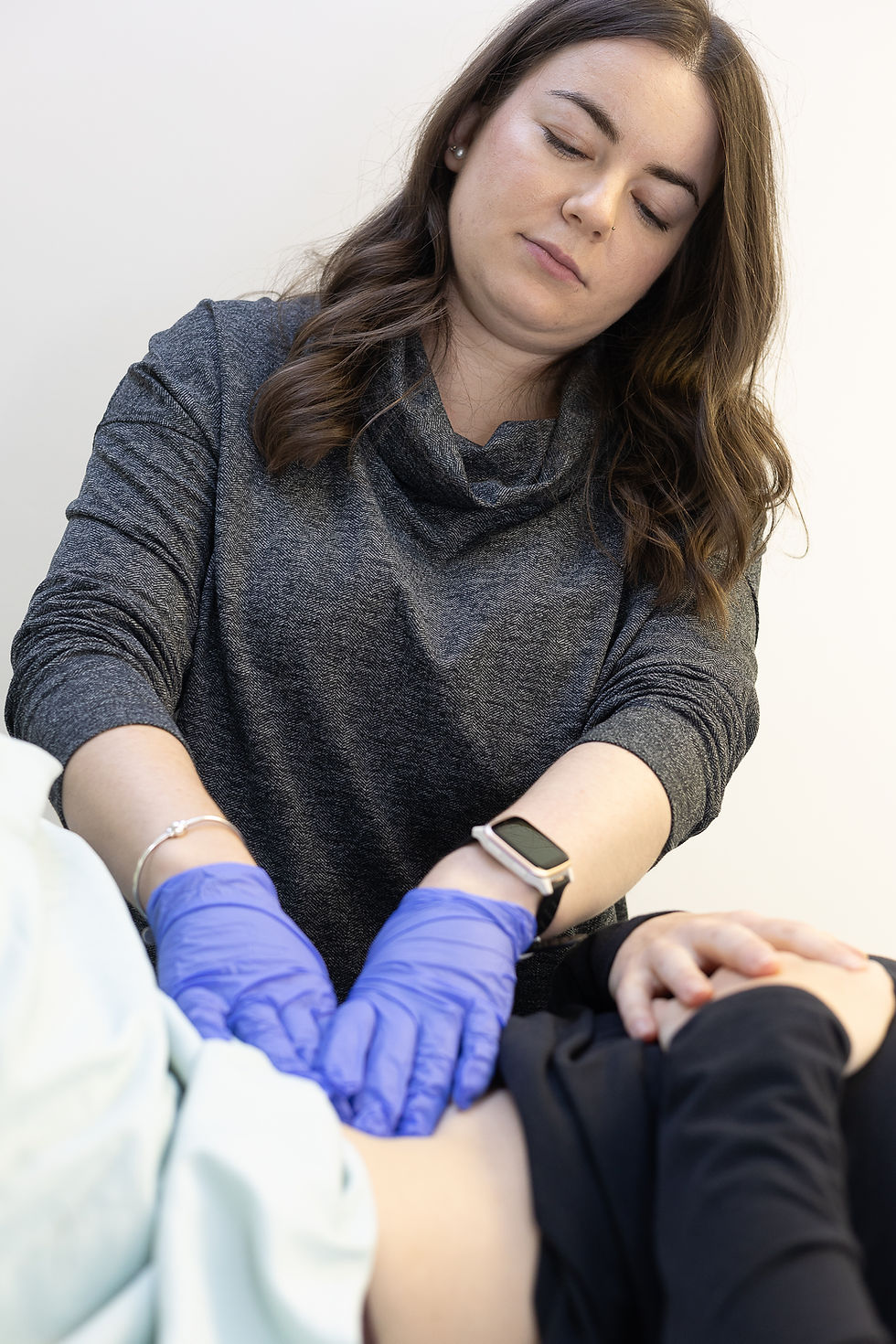
A cornerstone of addressing the C-section shelf is targeted manual therapy. Skilled pelvic floor therapists use specific techniques to gently release scar tissue adhesions, which may include myofascial release, soft tissue mobilization, and trigger point therapy.
These hands-on methods help soften hardened scar tissue and improve tissue pliability. By increasing blood flow to the area and breaking down internal tethers that create the shelf effect, they encourage the skin and fascia to lay more smoothly. This can reduce the characteristic overhang and help resolve numbness or tingling sensations often felt around the scar.
The Rooted Pelvic Health & Wellness Approach to Postpartum Recovery
At Rooted Pelvic Health & Wellness, the treatment approach goes beyond the incision site. A root-cause perspective considers how the nervous system, breathing patterns, and posture each impact postpartum recovery. Treatment begins at the very first evaluation, ensuring no time is lost.
Breathing, Core, and Hip Mobility
Inefficient breathing patterns frequently contribute to excess abdominal pressure. Through diaphragmatic training and breathwork, the deep core can be re-engaged to reduce the pushing force on the abdominal wall — a key component of pelvic floor health that is often overlooked in standard postpartum care.
Restricted hip mobility or pelvic imbalances can also pull on the abdominal fascia and worsen the shelf's appearance. A functional movement assessment helps identify these imbalances so that alignment and mechanics can be restored. This movement-first philosophy supports a return to activities like running or strength training without the scar becoming a limiting factor.

Treatments Used in C-Section Shelf Recovery
Depending on individual presentation, a pelvic floor therapist or occupational therapist at Rooted Pelvic Health & Wellness may incorporate a range of evidence-informed modalities, including:
Pelvic floor internal techniques to assess and restore deep core coordination
Neuromuscular re-education to reconnect the abdominal and pelvic floor muscles
Joint mobilization to address postural restrictions in the spine and pelvis
Therapeutic exercise and strength and conditioning progressions to rebuild functional core strength
Dry needling or cupping to address fascial restrictions and improve tissue mobility
Electrical stimulation (TENS/NMES) to support muscle activation and pain management
When to Start Pelvic Floor Therapy After a C-Section
Early intervention often leads to faster results. Most women can begin specialized pelvic floor therapy around 6 to 8 weeks postpartum, once cleared by their primary physician. This allows a pelvic floor therapist to work with scar tissue while it is still in its active remodeling phase.
That said, Rooted Pelvic Health & Wellness regularly supports women who are months or even years postpartum and still experiencing the shelf or related pelvic floor dysfunction. Significant improvements in tissue mobility and core strength are possible at any stage. You do not have to live with these symptoms indefinitely.
If you are ready to address your C-section shelf and rebuild your core strength,
Rooted Pelvic Health & Wellness is here to guide you through every step of your postpartum recovery in Hamilton, MA.


Comments